
Data Provenance Optimization for AI Confidence in Data Sources
Data Provenance Optimization helps AI systems confidently understand where your information comes from, who created it and how trustworthy it

Data Provenance Optimization helps AI systems confidently understand where your information comes from, who created it and how trustworthy it

AI-powered search engines and Large Language Models no longer treat all creators equally. They apply authority scoring systems that distinguish

An AIO brand manual is the next evolution of brand governance designed not just for humans, but for AI systems
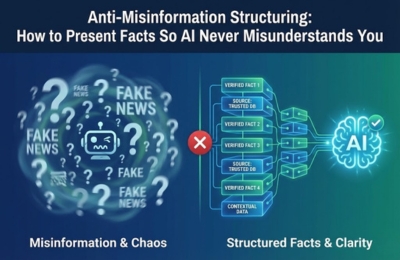
AI systems don’t “understand” facts the way humans do; they predict, infer and synthesize based on patterns. Poorly structured content
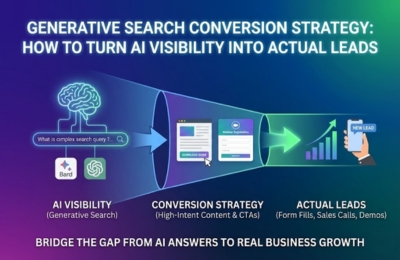
Generative search visibility alone does not drive revenue. This guide explains how a modern AI conversion strategy bridges the gap
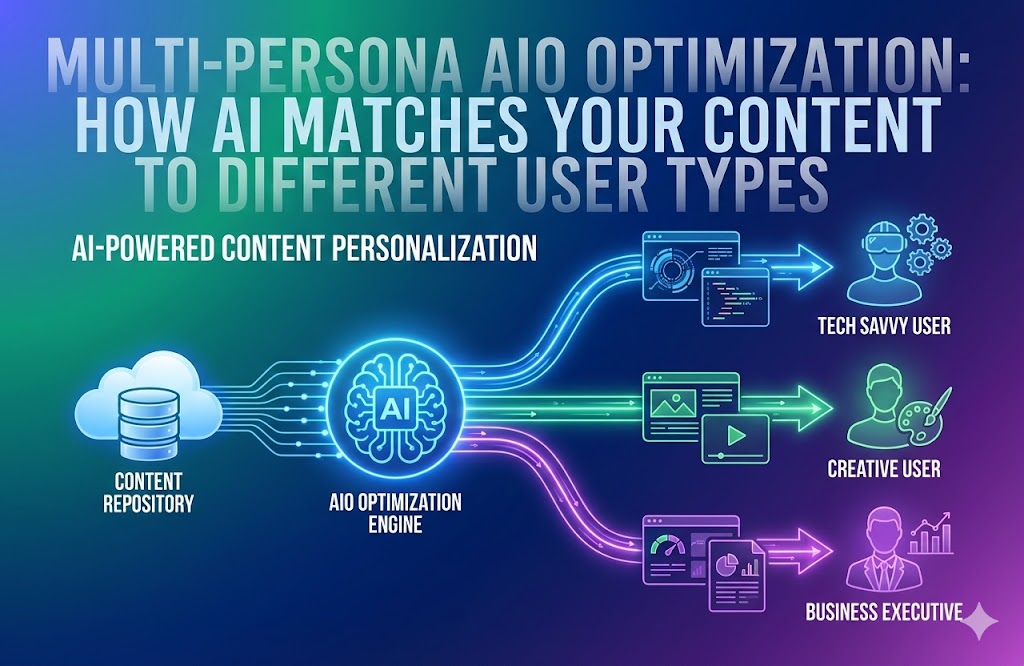
Multi-Persona AIO Optimization is about designing content so AI systems can adapt the same core information to different user types

Large Language Models don’t “think”; they synthesize patterns from trusted signals. If ChatGPT, Gemini, or Claude are giving vague, outdated,

AI safety alignment is no longer optional for content teams operating in AI-driven search ecosystems. As Google and large language

AI-powered search engines and LLMs rank brands not just by content quality, but by trustworthiness. The trust layer AI evaluates

Cross-channel AI visibility is about training AI systems to recognize, trust and recommend your brand consistently across platforms. Instead of

AI Optimization (AIO) has transformed how content is created, structured and surfaced across search engines and LLMs. But AI alone

AI hallucinations happen when language models prioritize fluent answers over verified truth. This guide explains why hallucinations occur, how to