

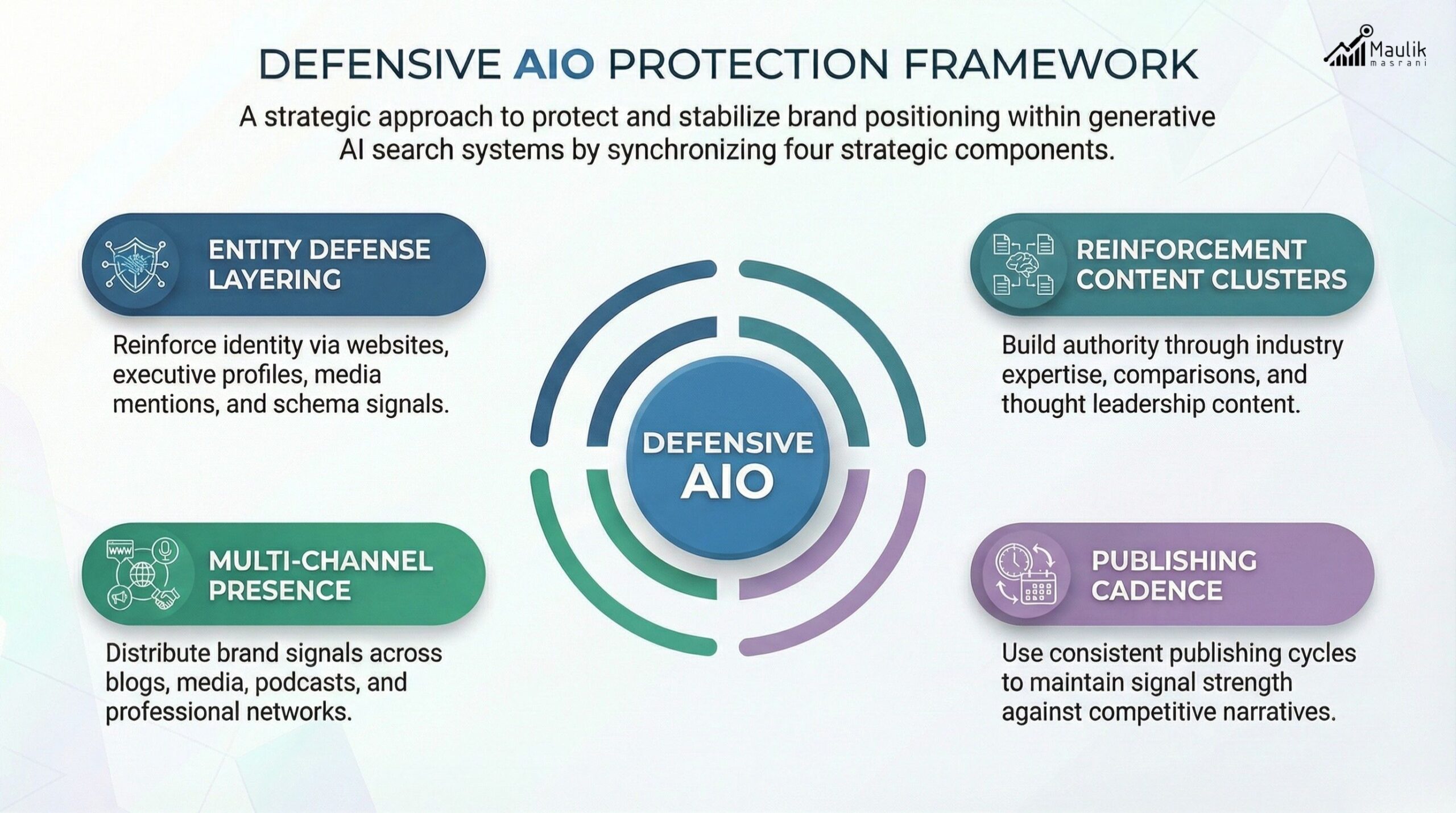
AI search engines don’t just rank your brand, they describe it. If competitors dominate data patterns, citations, or comparison narratives, generative systems may reshape your positioning without you realizing it. A modern defensive AIO framework helps CMOs secure entity authority, neutralize competitive distortion, and build narrative control across AI-driven search ecosystems.
Defensive AIO Strategy
In the generative era, brand battles are no longer fought only on search engine results pages. They are fought inside AI summaries.
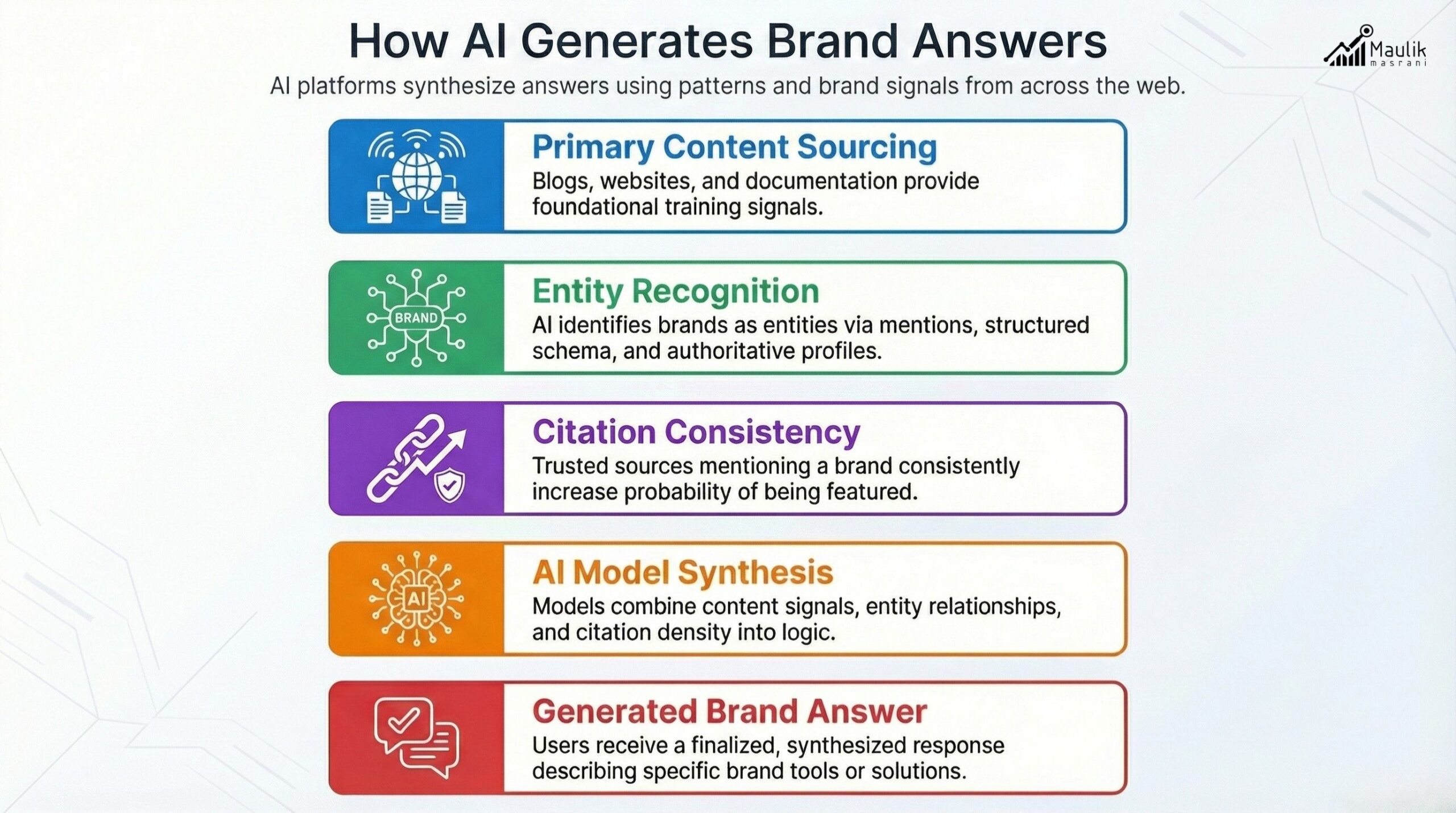
When someone asks ChatGPT, Gemini, or Perplexity about the “best enterprise AI platform” or “top cybersecurity automation provider,” the answer is synthesized, not ranked. That synthesis depends on data density, entity relationships, structured signals, and repeated mentions across trusted ecosystems. This is where defensive AIO becomes a strategic imperative.
Unlike reactive reputation management, defensive AIO is a proactive brand infrastructure. It ensures your company’s core attributes, expertise, leadership, and differentiation are consistently reinforced across the web before competitors attempt to reposition you.
For CMOs, this isn’t a technical SEO tweak. It’s competitive risk management.
How Competitors Influence AI Answers
Let’s address the uncomfortable truth: yes, competitors can influence AI answers.
Not by hacking systems but by shaping patterns. Generative systems learn from large-scale content patterns across the web. If a competitor:
- Publishes dominant comparison pages
- Earns repeated citations on industry portals
- Frames category definitions in their favor
- Controls high-volume educational content
Then AI summaries may begin echoing their narrative. For example, if multiple sources consistently describe a rival as “the fastest-growing AI automation platform for enterprises,” that phrase may surface in synthesized answers even if your growth metrics are stronger.
This is the subtle layer of AI competitor defense most brands overlook. The danger isn’t misinformation.
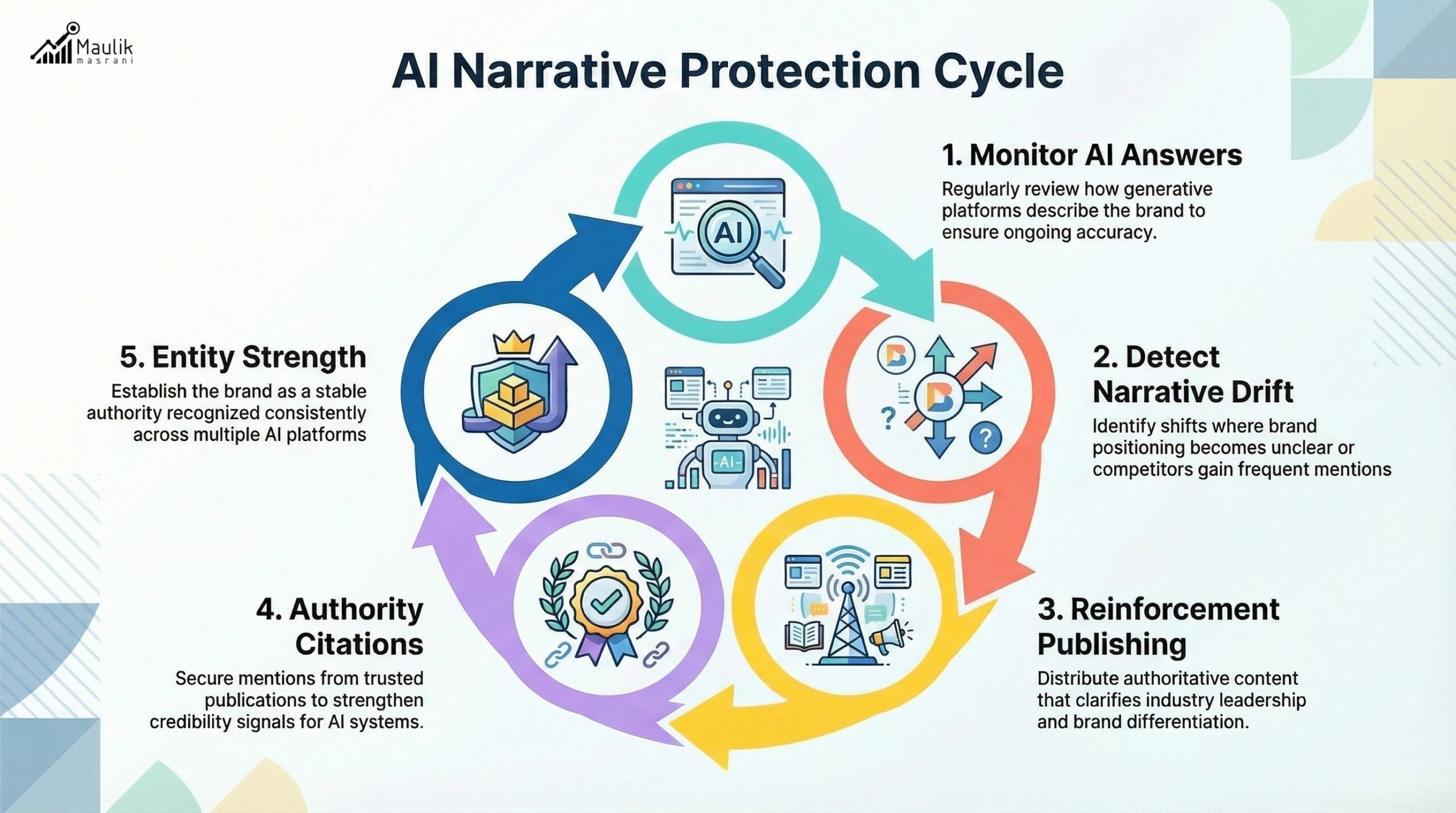
The danger is narrative drift. Over time, AI outputs can slowly reposition your brand unless you actively reinforce your authority signals.
Entity Defense Layering
Generative engines rely heavily on entity relationships, who you are, what you specialize in, what you’re associated with, and how often those attributes are validated.
Entity defense layering focuses on strengthening those signals from multiple angles. Instead of relying on one “About Us” page to define your brand, defensive AIO distributes identity reinforcement across:
- Thought leadership articles
- Case studies
- Executive commentary
- Industry collaborations
- Structured schema signals
- Authoritative guest content
Each layer reinforces the same core attributes. Think of it as narrative redundancy. If one signal weakens, others compensate.
For example, if your brand positions itself as an enterprise-grade solution, that must appear consistently in:
- Product documentation
- Media mentions
- Partner announcements
- Comparison pages
- Executive interviews
When these signals align, AI systems detect consistency and consistency builds trust probability.
This layered approach is far more resilient than isolated optimization tactics often associated with traditional AEO strategies.
Reinforcement Content Clusters
Single articles don’t win AI narratives. Ecosystems do. Reinforcement content clusters serve as protective shields around your brand positioning.
Rather than publishing random blog topics, defensive AIO organizes content around high-risk competitive zones such as:
- “Best alternatives to…”
- “Top tools in [industry]”
- “Enterprise vs mid-market solutions”
- “Comparison breakdowns”
- “Category definitions”
If competitors dominate these clusters, they shape the conversation.
But if you proactively build structured, evidence-backed cluster networks around these themes, you neutralize distortions before they take hold.
For example, instead of avoiding comparison content, publish authoritative comparison frameworks yourself, grounded in data, transparency, and third-party validation.
This does two things:
- It prevents competitors from defining you.
- It signals authority to generative systems.
Clusters create contextual density. And contextual density increases citation likelihood in AI outputs.
Multi-Channel Dominance Strategy
AI models don’t pull information from one source. They synthesize across many.
Owned media alone is insufficient. A robust defensive AIO strategy expands influence across:
- Industry publications
- Podcasts and interviews
- Authoritative guest columns
- Strategic partnerships
- Review platforms
- Structured business directories
When messaging appears consistently across diverse high-trust sources, entity salience strengthens dramatically.
Imagine two brands:
Brand A publishes only on its website.
Brand B appears in industry reports, podcasts, guest columns, and review ecosystems.
Which brand is more likely to be cited in generative summaries? The answer is obvious.
Multi-channel dominance creates reinforcement loops. Even if competitors attempt narrative manipulation, their influence is diluted by your ecosystem breadth. This is particularly critical in competitive verticals like fintech, cybersecurity, SaaS, or AI infrastructure, where brand authority heavily influences buying decisions.
Defensive Publishing Cadence
Defense is not a campaign. It’s an operating rhythm. One of the biggest mistakes CMOs make is publishing aggressively during product launches, then going silent.
Generative systems reward continuity. A strong defensive publishing cadence includes:
- Regular entity reinforcement updates
- Ongoing competitive narrative audits
- AI answer sampling for brand queries
- Category definition refresh cycles
- Comparison content monitoring
If you detect early signs of narrative drift, such as competitor names appearing more frequently in AI summaries for your target keywords, immediate reinforcement publishing is necessary.
This could involve:
- Publishing authoritative clarifications
- Amplifying third-party validation
- Updating structured signals
- Increasing multi-channel visibility
The goal isn’t reaction. It’s stability. Brands that maintain a consistent cadence experience less volatility in AI-generated representations.
FAQs
Can competitors influence AI answers?
Yes. Competitors can influence AI-generated answers by dominating authoritative content, controlling comparison narratives and building stronger citation ecosystems. Generative systems synthesize dominant patterns, so consistent third-party reinforcement matters.
How does defensive AIO differ from traditional SEO?
Traditional SEO focuses on rankings and click-through rates. Defensive AIO focuses on protecting how AI systems describe your brand across synthesized answers and knowledge responses.
What industries need AI competitor defense the most?
Highly competitive sectors such as SaaS, fintech, AI infrastructure, cybersecurity, and enterprise technology benefit most due to dense content ecosystems and aggressive comparison positioning.
How often should brands review AI-generated outputs?
Enterprise brands should review AI-generated summaries monthly and conduct structured narrative audits quarterly to prevent positioning drift.
Conclusion
As AI-driven search increasingly shapes how brands are discovered and described, protecting your digital narrative has become essential. A well-structured defensive AIO strategy ensures that your brand signals, authority, and positioning remain consistent across generative platforms. By reinforcing entity credibility and maintaining a steady presence across trusted sources, organizations can reduce the risk of competitive narrative shifts and ensure AI systems represent their brand accurately.
Over time, this consistent reinforcement helps build stronger trust signals for both users and AI systems. When your brand narrative is supported by reliable information across multiple platforms, generative engines are far more likely to present your company with clarity and credibility.